Vis garen? Neem de tijd!
Koken is altijd al een handige bereidingstechniek geweest. Als water kookt, is het 100 graden. Een duidelijke, heldere graadmeter. Bij het bereiden van vis wordt vaak gebruik gemaakt van de techniek pocheren. Pocheren doen we in water dat tegen de kook aan is, maar net niet borrelt. De temperatuur varieert dan van 90 tot 95 graden. Toch zijn koken en pocheren niet per definitie de beste technieken om vis te bereiden. Dit heeft alles te maken met wat er met de eiwitten in vis gebeurt.
Vis krijgt zijn ideale textuur bij een bereiding op lage temperatuur. De vis blijft dan vooral sappig, stevig en mals. Het vocht van de vis blijft mooi gevangen in de eiwitmoleculen. Als vis blootgesteld wordt aan extreme omstandigheden, zoals zuur of een hoge temperatuur (boven de 80 graden), dan zal de samenstelling niet veranderen. Wel de natuurlijke structuur. Bepaalde verbindingen tussen eiwitmoleculen in de vis worden verbroken en nieuwe verbindingen worden gevormd. De eiwitten zullen stollen. Dit noemen we denaturatie. Te veel denaturatie en uw vis wordt taai, droog en verliest zijn natuurlijke structuur.
Gelukkig zijn er twee technieken waarmee u zelf vis gecontroleerd kunt garen op een lage temperatuur:
1. Stomen
2. Sous-vide bereiding
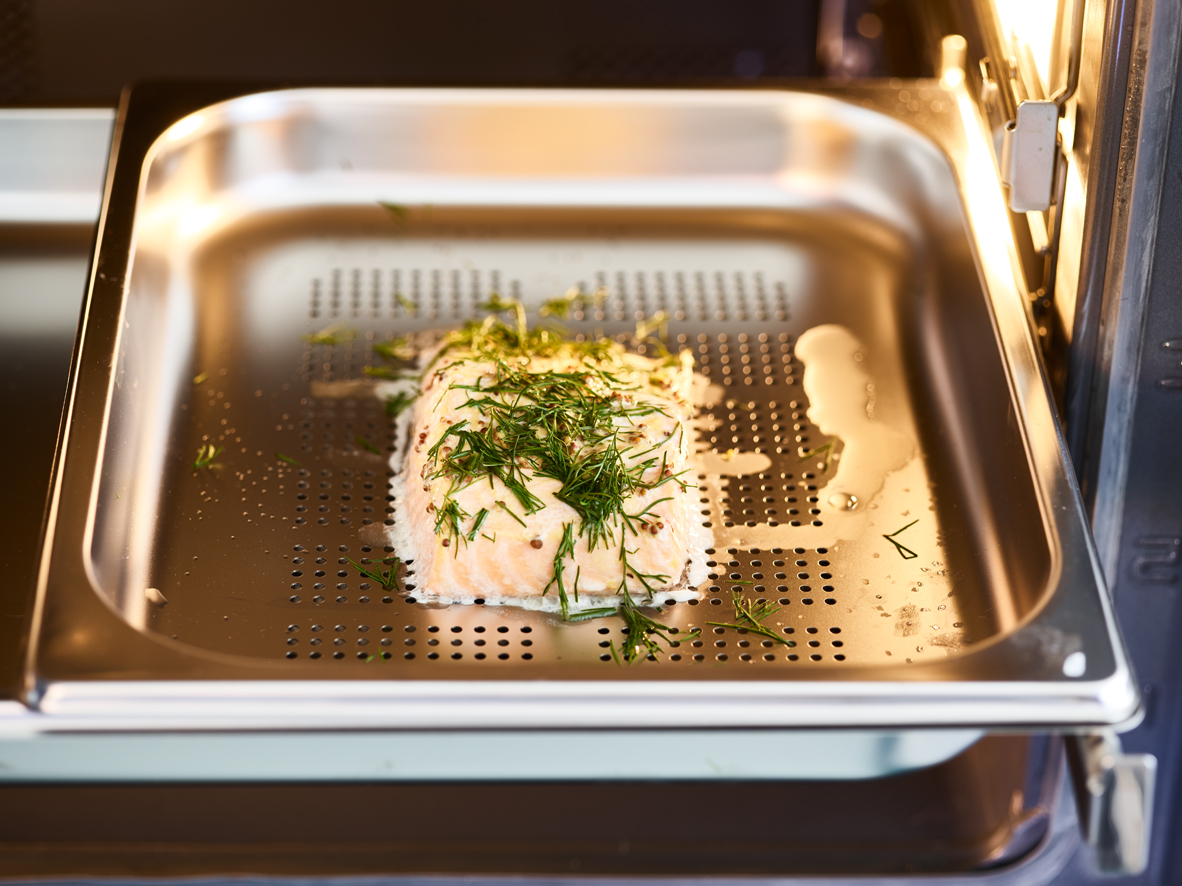
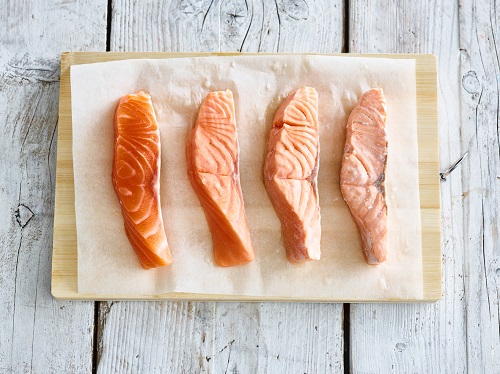
Stoom eens een mooi, vers stuk gefileerde zalm zonder huid zo’n 25 minuten in de stoomoven op 70 graden. Als u de vis vooraf inwrijft met grove mosterd met wat suiker en vers gesneden dille, dan komt u voor een aangename, superzachte, sappige verrassing te staan. Of verpak heilbot of kabeljauw vacuüm in een sous-vide zakje met wat takjes dille, een paar schijfjes citroen en een scheutje extra vierge olijfolie. Stoom de vis 45 tot 60 minuten op 65 graden. Het resultaat is supermals en boterzacht.