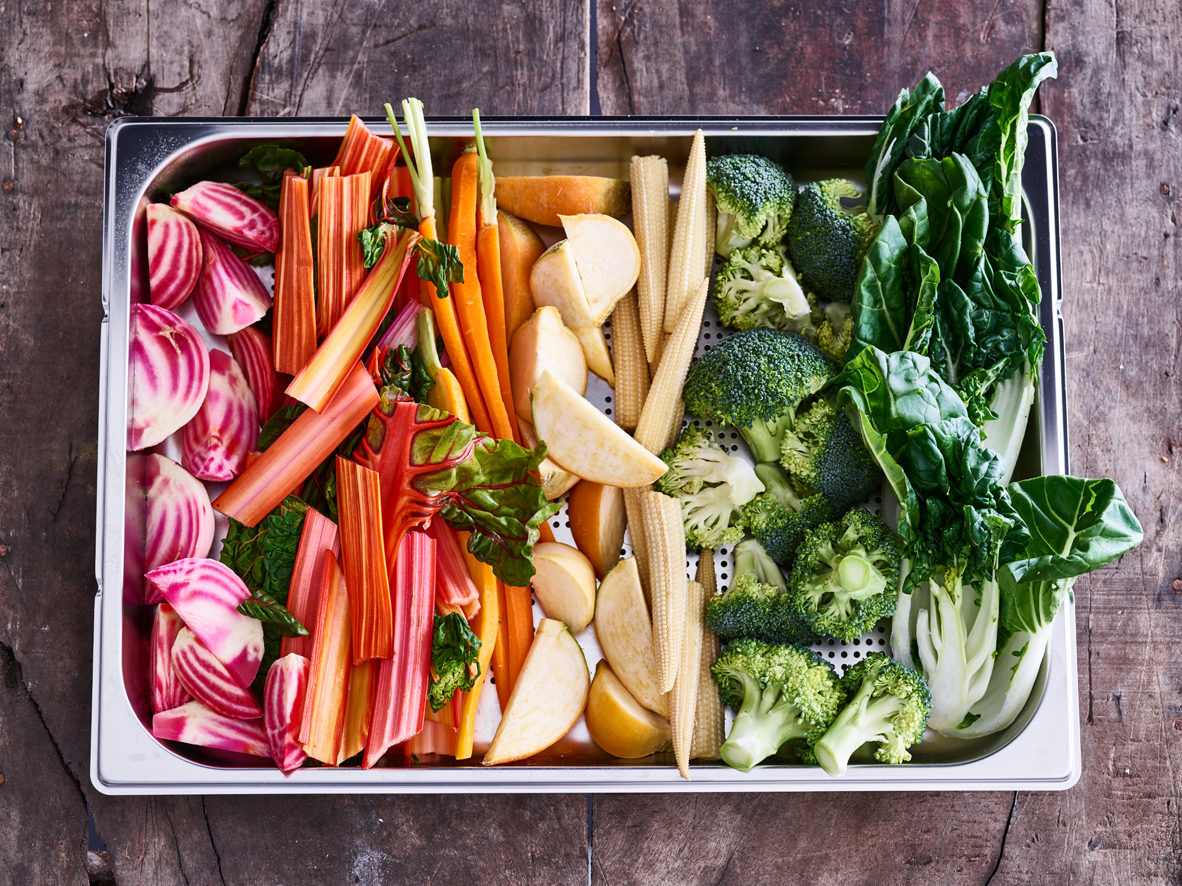
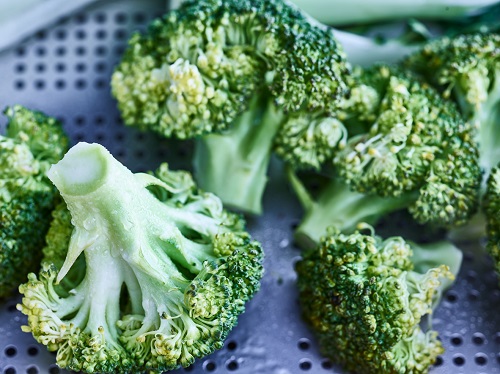
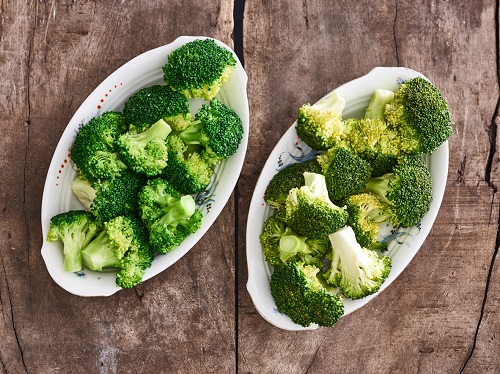
Waarom stomen zo gezond en smakelijk is!
Het is bekend dat stomen naast één van de oudste, ook één van de gezondste bereidingswijzen is. Dit was duizenden jaren geleden vast nog niet bekend in Azië en Afrika. Wel zagen ze daar toen al andere belangrijke voordelen van stomen. Naast behoud van vitamines en mineralen, zagen zij daar dat ook vooral de vorm, kleur, smaak en geurige sappen behouden bleven. Om te begrijpen hoe dat komt, zou u iets meer van de stoomtechniek moeten weten.
Wanneer water het kookpunt heeft bereikt, wordt er stoom gevormd. Minuscule druppeltjes met een hoge temperatuur, waarvan de dichtheid een stuk minder is dan vloeibaar water. Dit gasvormige water bevat echter wel een hoge hoeveelheid energie. Wanneer stoom op een kouder oppervlak condenseert, staat het deze energie weer af, waardoor het voedseloppervlak snel op het kookpunt wordt gebracht. Een zeer efficiënte energieoverdracht dus.
Door zijn geringere dichtheid maakt stoom minder vaak contact met het voedsel dan vloeibaar water. En daarin zit nu juist het verschil. Door het ontbreken van een voortdurend contact met water, blijven de celwanden van voedsel beter intact. Niet alleen de in water oplosbare voedingsstoffen, maar ook smaak en kleurstoffen zullen daardoor minder makkelijk ‘weglekken’.
Bij stomen is een goede bereidingstijd van belang, maar het komt niet aan op een minuutje. In een stoomoven kunt u meerdere producten tegelijk bereiden. Dit gaat gemakkelijk op meerdere niveaus met een vooraf ingestelde bereidingstijd. Dat geeft meer rust in de keuken en haalt de druk van de ketel.