Blancheren
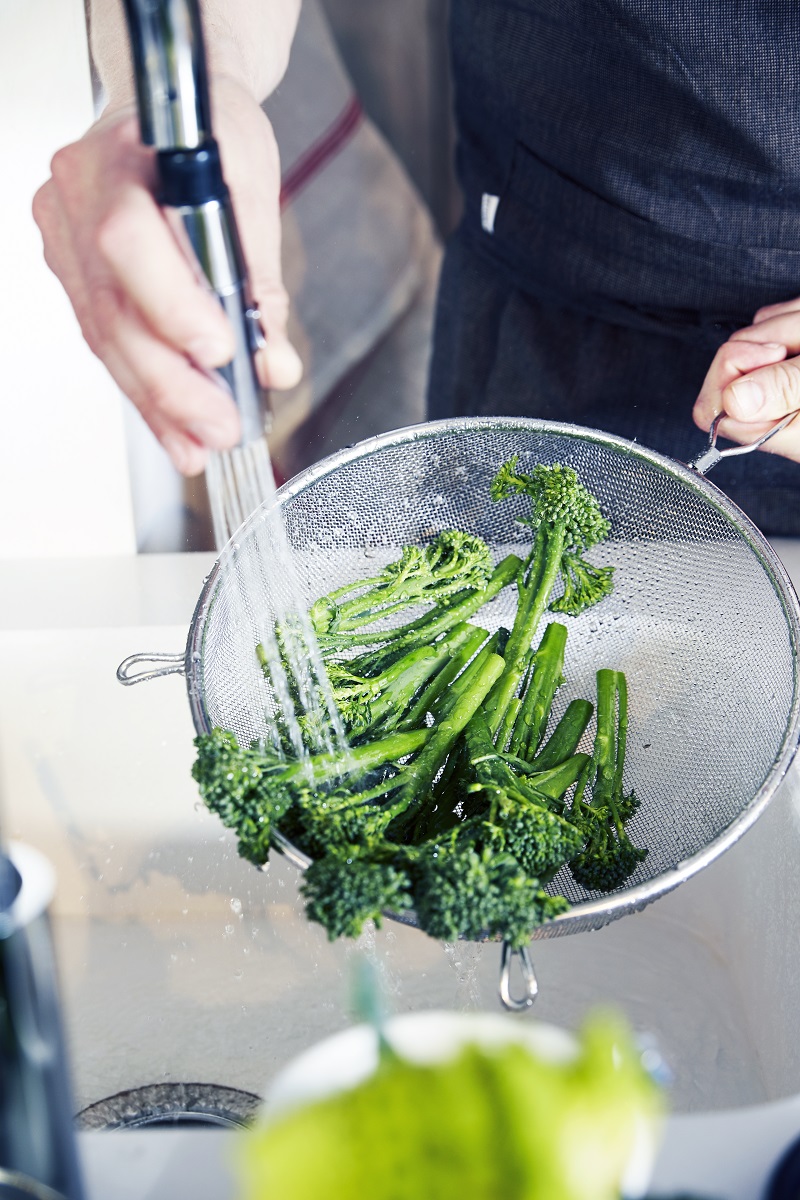
Soms komt u in een recept de kookterm ‘blancheren’ tegen. Het is een techniek die vaak wordt toegepast om ingrediënten voor te bereiden. Het ingrediënt wordt zeer kort gekookt. Daarna wordt het ingrediënt direct afgekoeld in een ijswaterbad of onder koud stromend water. Hiermee wordt voorkomen dat het product nog verder gaart.
De blancheertechniek kan om verschillende redenen worden toegepast:
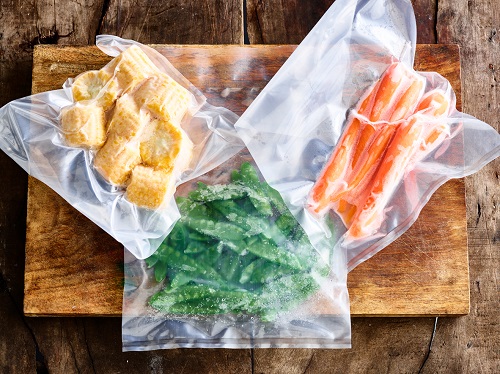
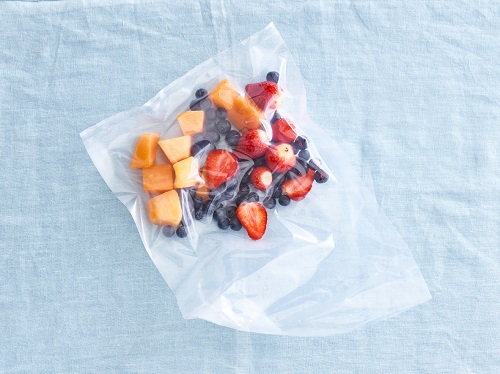
- Een hele belangrijke reden is het onschadelijk maken van enzymen aan de oppervlakte van het voedsel. Sommige enzymen, zoals die in ananas, geven een prikkelend gevoel in de mond en zorgen ervoor dat gelatine in een dessert niet vast wordt. Andere enzymen tasten na invriezen nog steeds het product aan. Na blancheren blijven groenten en fruit in de vriezer veel langer mooi. Zeker wanneer u het product vacumeert en het luchtdicht is afgesloten. Er kunnen zich dan geen ijskristallen meer op vormen. Zo worden de structuur en smaak van het product niet aangetast.
- Het behouden van de frisse kleur van groenten.
- Kort willen garen van een groente, zodat deze nog lekker knapperig blijft en z’n stevige bite en vitamines behoudt.
- Soms is het wenselijk om de stevigheid van bepaalde groenten te veranderen. Door bijvoorbeeld koolbladeren eerst te blancheren kunt u er gemakkelijker gevulde, frisgroene koolrolletjes mee maken.
- Middels blancheren kan een sterke smaak worden genuanceerd. Denkt u eens aan sterk smakende koolsoorten, zoals bijvoorbeeld koolraap.
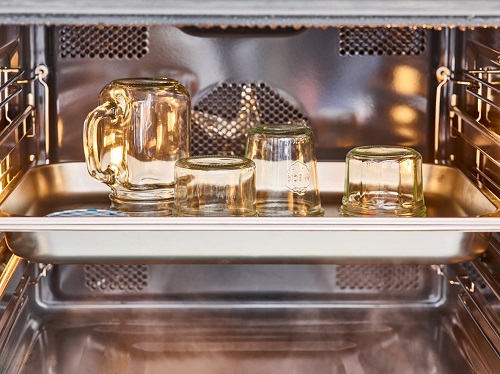
- Ook het desinfecteren en reinigen van bijvoorbeeld babyflesjes of jampotjes gebeurt door blancheren. Dit kunt u overigens ook zeer eenvoudig in de stoomoven doen. Hier is zelfs een automatisch programma voor, zodat u niet na hoeft te denken over de instellingen.
Groenten en fruit blancheren, vacumeren en invriezen in een paar eenvoudige stappen:
- Breng een pan met ruim water en zout aan de kook. Indien u fruit blancheert, gebruikt u geen zout.
- Voeg de schoongemaakte groente of het fruit toe. Let op dat u niet teveel in één keer toevoegt. Het water moet wel blijven koken.
- Neem het ingrediënt met een schuimspaan uit het kokende water en koel snel af in water waaraan ijsklontjes zijn toegevoegd. Direct afgieten in een vergiet en koelen onder koud stromend water kan ook.
- Laat het ingrediënt goed uitlekken.
Door het product vacuüm te verpakken alvorens u het invriest, blijft het nog langer mooi en smakelijk. Let u er wel op dat u het juiste vacuüm niveau gebruikt? Niveau 1 gebruikt u voor de meest kwetsbare producten. Niveau 3 kunt u gebruiken voor stevige ingrediënten.